Siting Backyard Hives Around Pines: What to Settle With a Longview Tree Service First
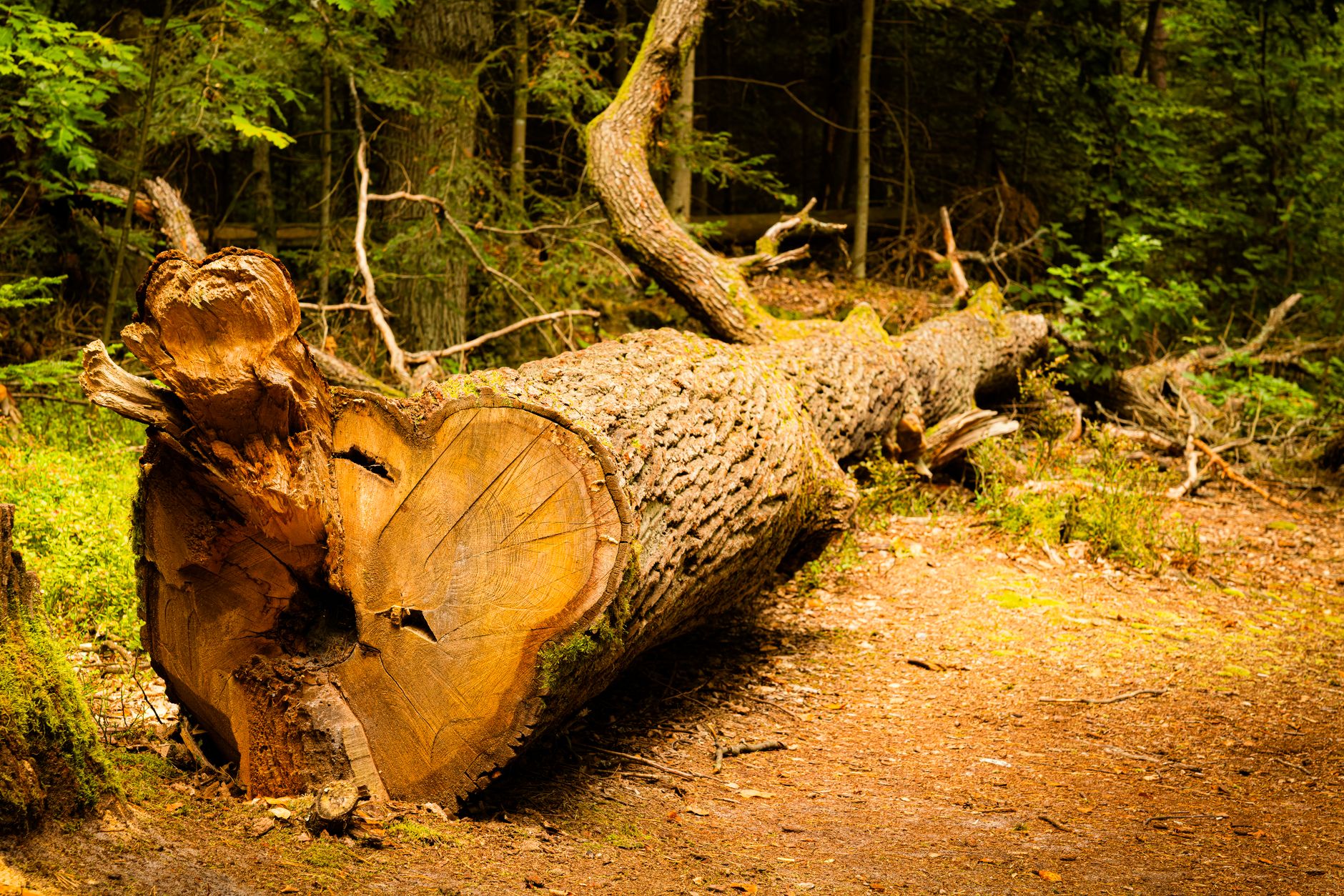
One dead pine limb is enough to flatten a hive stand, spill the boxes and leave a colony open to robbing and rain. Most beginners spend weeks choosing equipment and about ten minutes choosing the spot, when the spot decides more about the first year than the brand of hive does.
In the Piney Woods around Longview, Texas, the spot almost always involves trees. Start by looking up from where the stand will sit. Take the example of a leaning tree that has always leaned, with a top that has curved back toward vertical over many years. That tree is often stable. One that leans newly after a storm, especially with cracked or heaved soil on the side opposite the lean or roots showing, is a warning sign. Have it assessed before you set hives anywhere downwind of it.
Hives and trees share a yard for years, so the questions run from what hangs overhead, to how much shade bees actually want, to what a crew should be told before work begins, to how forage is protected when a tree has to come down.
Look Up Before You Level the Stand
Dead limbs, broken branches hanging in the canopy and fungus growing at the base of a trunk all mean the ground below is the wrong place for a hive. A falling limb does not have to be large. A modest branch dropping a few meters can crack a hive body, and a colony with a broken box is in trouble within hours.
Use the full height of the tree as your fall zone
If you are unsure about a tree, keep hives out of its fall zone. As a working rule, that zone is at least the full height of the tree, measured in the direction it would fall. A seventy foot pine near the fence line means the stand belongs well beyond that distance on the side the tree would come down.
Check pines after every big storm
East Texas yards are full of loblolly and shortleaf pines, and severe thunderstorms and high winds can snap or uproot them. After any major storm, walk the apiary and look for new lean, split trunks and limbs that have hung up in the branches above. A quick look costs nothing and catches the problem before it lands on a hive.
Watch for beetle damage
Pines stressed by drought or root damage attract bark beetles. The signs are pitch tubes, which are small blobs of resin on the bark, and fine reddish dust at the base or in bark crevices. A dying pine near hives can turn into a falling hazard within a season or two, so treat those signs as a reason to call a professional rather than wait.
Topping is not the answer. Cutting the crown off a tree usually produces weak regrowth and decay, and it leaves the tree no safer than before.
How Much Shade Is the Right Amount
Afternoon shade from a tree canopy helps colonies through a Longview summer, when heat in the late afternoon is hard on bees and they spend energy cooling the hive. All-day deep shade is a different matter. It tends to produce weaker, damper colonies.
Damp, shaded ground also favors small hive beetle, which thrives in the humid South. Its larvae leave the hive to pupate in soft, moist soil. Deep shade, soggy ground and piles of fresh wood chip mulch under a stand all help the beetle along. Aim for dappled or partial shade over firm, well drained ground, and skip the mulch under the stand.
Orientation and drainage
Face the entrance roughly east or southeast so morning sun gets foragers moving early. Keep the hive level from side to side and tipped slightly forward, so rain runs out the front instead of pooling inside.
Put the hive on a stand rather than on the ground. A stand keeps the bottom board dry, slows rot and saves your back during inspections.
Keep ants and beetles from getting a bridge
Fire ants are a real pest in Texas. Keep vegetation and debris clear around the stand legs. Never let cut branches or chip piles lean against the stand, because that gives ants and beetles an easy way up.
Flight Paths, Water and Neighbors
Bees leave the entrance in a straight line and climb. Route that line away from doors, walkways and the neighbor's yard. A hedge, fence or row of shrubs a few feet in front of the entrance forces the bees to rise over people instead of through them.
Give them water close by. A shallow container with floating wood or stones to land on will do. Without one, bees look for their own, and pools, birdbaths and pet bowls are where they find it, which is how a quiet hobby becomes a neighborhood complaint.
When a Tree Crew Is Coming
Tree work near hives is the most common cause of a bad day in the apiary. Chainsaw vibration, chipper noise and exhaust all agitate colonies. None of this means bees cannot be worked around. It means the job needs a plan.
What to tell the crew
Before any tree work in the yard, tell the crew where the hives are and where the flight paths run. Schedule cutting near the apiary for late evening or a cool overcast day, when fewer bees are flying. Ask which equipment will be parked where, and keep chippers and exhaust away from the entrances.
Moving a hive out of the way
If a hive has to shift a short distance for the job, move it a little at a time over several days. A single jump across the yard leaves foragers clustering at the old spot. The old advice about moving hives three feet or three miles is a rough guideline, not exact science, but the idea behind it holds: short moves confuse foragers, so either go small and gradual or go far.
Ask about products before anything is sprayed
Ask any tree or lawn service what they apply near flowering trees. Systemic insecticides, used as a soil drench or trunk injection, can show up in that tree's nectar and pollen. Ask that spraying avoid open bloom and happen at dusk, when bees are not foraging. A good crew will answer these questions without fuss.
Oaks have their own calendar
In Texas, oaks are best pruned outside of spring to reduce the risk of spreading oak wilt, since fresh wounds attract the beetles that carry the fungus. If cutting cannot wait, paint fresh oak wounds right away. Mention your hives while you discuss timing, because the best day for the oak and the best day for the bees may not be the same one.
If Bees Are Already in a Tree
Honey bees often move into hollow trees, wall voids and old cavities. They only occupy cavities that already exist, and they do not hollow out or damage trees. Still, a tree with an active colony changes how a removal should go.
If that tree has to come down, have a beekeeper plan a cutout before or during the job rather than spraying. Spraying kills the colony and leaves comb and honey behind to rot and draw pests.
Swarms and unknown colonies
A swarm hanging from a branch in spring is usually gentle, because it has no comb to defend. Leave it alone and call a local beekeeper. Swarms often move on within a day or two.
An established colony in a tree or wall is another matter. Feral colonies in Texas may carry Africanized genetics and can be far more defensive than a managed hive. Treat any unknown colony with caution, keep children and pets away, and do not disturb it with a mower or saw.
Trees as Forage, and What to Do When One Comes Out
Know your local calendar. In East Texas, early pollen comes from red maple and willows. Spring brings clover, fruit trees, holly and privet. Chinese tallow, though invasive, is a significant nectar source in early summer. Late summer is often a dearth, so watch stores and robbing in July and August.
Before removing a mature flowering tree, weigh its value as forage. If it has to come out, plant bee friendly replacements in a spot where they will not shade the hives too heavily as they grow. A sapling placed ten feet from the stand becomes a shade problem in a few years.
The Seasonal Rhythm Beyond the Trees
Winters here are mild, and bees fly on many winter days. They burn through stores while finding little to eat, so heft or inspect hives in late winter and feed if they are light.
Do not let a tree-focused checklist crowd out the biggest threat. Inspect for varroa mites on a regular schedule from spring through fall. Mite loads, not trees or weather, are the leading reason beginner colonies fail. And keep expectations honest: a first-year colony is busy building comb and population, so a honey harvest should not be assumed.
A Short Walk Before You Set the Stand
Walk the yard with the questions in order. What is overhead, and how tall is it? Is there new lean, dead wood or beetle sign on any pine within a tree's height of the stand? Does the spot get morning sun and afternoon relief without sitting in deep shade all day? Is the ground firm and drained? Where do the bees fly, and who is standing there?
If the answers raise doubts about a particular tree, get it looked at before the hive goes in. Moving a stand costs an afternoon. Moving a crushed colony is not possible.